Is BPC-157 Safe? An Evidence-Based Look
Is BPC-157 safe? We review the animal data, note what human evidence is missing and explain what that gap means for you.
The question is not whether BPC-157 is safe. The question is whether anyone has the data to answer that honestly. After reviewing every published study, every FDA communication, and years of community reports, our position is straightforward: is bpc 157 safe cannot be answered with a yes or no until controlled human trials produce real data. What follows is the most thorough evidence-based breakdown available, graded by source quality. If you want the side-effect list first, start with our BPC-157 risks page.
Is BPC-157 Safe - What Safe Actually Means Here
The concept of safety is not very simple, as it is a conclusion made based on evidence – Phase I tests for short-term toxicity, Phase II and III for effectiveness and long-term safety and post-market monitoring for rare incidents. There have been no conducted studies of BPC-157. When one is trying to determine whether bpt 157 is safe, one is actually asking a question that has not been answered validly in the current scientific literature.
No Human Clinical Trials Have Been Completed
As of the tail end of 2026, there have been no completed Phase II or Phase III clinical studies on BPC-157. Only one limited pilot safety study published in 2025 has shown that there are no significant adverse reactions among the participants, while one trial on repairing hamstring injuries (NCT07437547) is under way. That is all there is in terms of human clinical data. Everything else comprises preclinical animal research or uncontrolled testimonials.
This is the most significant fact shown on this page. Until human tests have been completed, there is no way of stating that BPC-157 is safe for human use. Any seller, influencer, or practitioner making that statement is exceeding the evidence available.
Animal Safety Data Is Promising but Limited
The animal record is notably excellent for a bioactive peptide. More than twenty years of rodent experiments have shown no lethal dose, no organ toxicity, or consistent undesirable effect. A 2025 safety review confirmed that a single high dose injection did not lead to any death or organ harm nor any abnormal behavior in animals. That shows quite promising results. But that is different from human safety data.
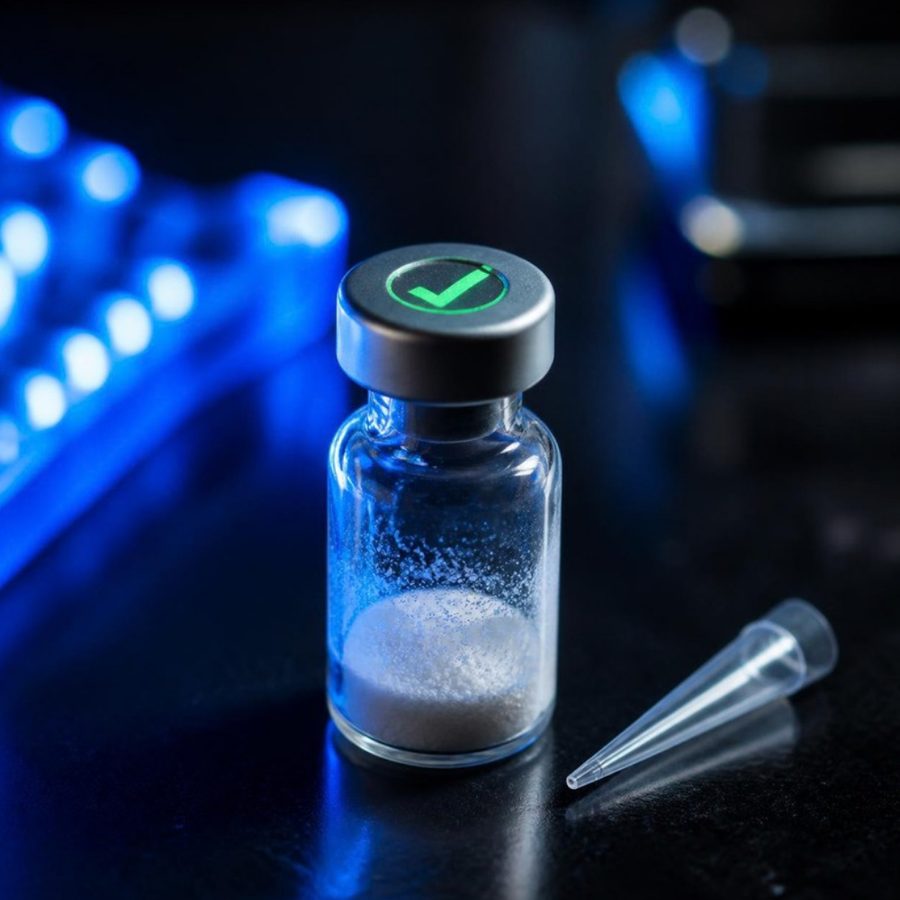
What Preclinical Studies Show About BPC-157 Safety
Rat Toxicity Studies - Doses and Outcomes
The most cited toxicology work used single intramuscular doses of 20 mg/kg in rats and 10 mg/kg in beagle dogs. At these levels, researchers monitored body weight, food intake, behavior, organ histology, and blood chemistry. No adverse effects were observed across any parameter. Repeated-dosing studies over 28 days in both species confirmed the same pattern: no organ damage, no behavioral changes, no mortality.
The 20 mg/kg dose used for rats is much larger than the dose administered by humans based on body weight. Although scaling between species is complex, the fact that the tested dose is far higher than that which is used by humans provides comfort, although it does not replace the need for human clinical trials.
No Observed Adverse Effect Levels in Animal Models
In standard toxicology language, the NOAEL (No Observed Adverse Effect Level) for BPC-157 has not been definitively capped because researchers have not found a dose that produces adverse effects. The LD50, the dose lethal to 50% of test animals, has never been reached. A comprehensive review of BPC-157 literature noted this absence of toxicity as distinctive among peptides studied at similar intensity.
The Gap Between Animal Data and Human Safety
Why Rat Studies Cannot Confirm Human Safety
Rats process peptides in a different way. Their body weight in relation to surface area does not transfer linearly to that of humans. Rats have no ability to vomit, and so there is no evidence of emesis. Foreign proteins elicit a different immune response. They do not live long enough for chronic effects to show up in studies.
The history of drug development includes drug candidates that have passed all animal trials only to fail in human tests. The opposite is also true. While the favorable passage of BPC-157 in animals is a good start, it is not enough to conclude that BPC-157 is safe for use in humans. This is an important distinction since the peptide community tends to treat results from rata as evidence for the safety of the drug.
Self-Reported Experiences Are Not Clinical Evidence
Numerous individuals have tried out BPC-157 and reported their experiences on the internet. Most of the respondents mentioned that they experienced little or no side effects while using BPC-157. While this is useful information, it is not backed by clinical evidence. Self-reports are influenced by many biases: selection bias (bad experiences may go unreported), recall bias, placebo effect, and lack of verification of purity of the product or peptide.
We monitor these reports because they yield the only data on human exposure. Note that we do not treat them as evidence of safety. See our full side effects compilation for the actual reports.
Regulatory Status and What It Means
FDA Classification of BPC-157
The FDA has not approved BPC-157 for any indication. In 2024, the agency moved to exclude it from the list of bulk drug substances eligible for pharmacy compounding, citing insufficient safety and characterization data. This is not a ban on the substance itself. It is a restriction on one distribution channel. Research chemical vendors continue to sell BPC-157 legally under "for research use only" labeling.
We cover the full regulatory picture, including warning letters and international status, on our BPC-157 FDA page.
Why Researchers Can Buy It Legally
Research chemicals occupy a legal gray area. The sale is permitted because the label explicitly states the product is not for human consumption. Individual buyers face no legal consequences for purchasing BPC-157 in the United States. However, "legal to buy" does not mean "proven safe to use." That distinction is critical and frequently confused. The compound is also prohibited by WADA under its S0 category for competitive athletes.
Situations Where Safety Is Especially Uncertain
Pregnancy and Breastfeeding
There are no published studies related to reproductive toxicity of BPC-157 in any species. There are no data available regarding the peptide’s ability to cross the placental barrier, or any possible effects on the fetus, or ascertain its presence in breast milk. Data is completely lacking. Pregnant women, women planning to get pregnant and breastfeeding mothers should consider BPC-157 uncharted territory. For complete details visit our contraindications page.
Pre-Existing Health Conditions
BPC-157 has effects on nitric oxide system, dopamine systems, and inflammatory processes. In individuals that are healthy, such interactions could be harmless or beneficial. When dealing with people suffering from: cardiovascular disease autoimmune disease cancer of some type problems with neurology, the same pathways may also be affected. It is crucial to gain some understanding of the possible risks connected with the use of such drug, as interacting systems can be completely changed in their mode of functioning. This creates even further obstacles in answering the question of whether bpc 157 is safe.
Concurrent Medications
There has not been a formal drug interaction study conducted with BPC-157. This substance's effect on nitric oxide system and dopamine pathways gives rise to possible drug interactions. Although no study has proved it, there is enough evidence from animal studies to raise attention to this issue. The drug interactions page we offer discusses all of the aspects mentioned above.
The Responsible Position - What We Recommend
Our team consists of no physicians. We do not recommend BPC-157 or advise people against it. Our task is only assessing evidence fairly and impartially.
The data indicates that there is an unusual amount of animal data available, human clinical data is minimal, user-reported tolerability is generally positive, and authorities are worried that safety data is insufficient. This profile compares favorably with many unregulated substances and unfavorably with drugs that already received approval.
If you choose to research this compound, the most risk-aware approach involves checking third-party testing certificates, starting with lower amounts, monitoring for adverse effects, and having a physician aware of what you are doing. For practical steps, see our guide on how to reduce BPC-157 side effects.
FAQ - BPC-157 Safety
Has anyone died from BPC-157?
No death linked to BPC-157 can be found in any published research, case reports or reliable community sources. Researching animal toxicity had not achieved lethal dose – doses of BPC-157 used in this research were much higher than those met in human exposure. It should be said, though, that absence of any fatal case does not mean that it is safe. Rarely occurring fatal events need large number of people exposed to find out these events and system for information reporting, while there are no such systems for BPC-157.
Is BPC-157 approved anywhere in the world?
BPC-157 has yet to be recognized as a licensed medical product by any health authorities throughout the world. Neither the FDA in the U.S., nor the European Medicines Agency, the Therapeutic Goods Administration in Australia, nor Health Canada have allowed it to be used as a medical treatment. It continues to be regarded as merely a research product on every continent. For more details on the legal status of BPC-157, check out our FDA status page.
Can I take BPC-157 with my current medications?
No formal drug interaction study exists for BPC-157. Its documented effects on nitric oxide, dopamine, and inflammatory pathways create theoretical interaction potential with blood pressure medications, anticoagulants, SSRIs, and immunosuppressants. We strongly recommend discussing BPC-157 with your prescribing physician before combining it with any medication. See our drug interactions page for specific categories.
How long can you take BPC-157 safely?
No human data exists to define a safe duration of use. Animal studies of up to 24 months have not shown cumulative toxicity, but rodent lifespans and metabolism differ substantially from humans. Community users commonly report cycles of four to eight weeks, but this convention is not based on clinical evidence. Long-term human safety is an open question. For concerns about extended use, see our page on BPC-157 cancer risk and long-term safety.
Compare the current picks
Prices, sizes and ratings side by side, updated when the merchant pages change.
See top picks