BPC-157 Side Effects in 2026: What the Research Shows
Complete guide to BPC-157 side effects reported in animal studies and user communities. Ranked product picks and sourced safety data.
Start here
Current top picks
Prices and ratings come from the merchant pages.
BPC-157 side effects remain poorly documented in humans as of 2026. Despite more than a hundred preclinical studies and widespread use in self-experimenting communities, no completed randomized controlled trial has measured adverse events from this peptide in people. What we have instead is a patchwork: rodent toxicology data showing a remarkably clean safety profile, a handful of early-phase human pilots, and thousands of unverified forum reports. This page pulls those sources together, grades each claim by evidence quality, and explains exactly what is known, what is guessed, and what is still missing. If you are here because you already bought a vial and want practical steps, skip to our guide on how to reduce BPC-157 side effects.
BPC-157 Side Effects in 2026 - Where the Data Stands
What Animal Research Has Found
The preclinical record for BPC-157 is unusually long. Researchers have tested it in rats, mice, and dogs across acute and chronic dosing protocols for more than two decades. A 2025 literature review aggregating safety data found that single intramuscular doses of 20 mg/kg in rats and 10 mg/kg in beagle dogs produced no deaths, no organ damage, and no abnormalities in body weight, food intake, or behavior. Those doses are orders of magnitude higher than what human users typically report using. In repeated-dosing studies lasting up to 28 days, the picture was the same: no treatment-related adverse effects across any species tested.
That is comforting, but also incomplete. Animal models can not report aspects like head pain, vomiting, mood changes, or the subjective experiences that fill out human health complaints. Rats, for example, can not vomit. Dogs do not fill out questionnaires. The lack of adverse effects in animals means that the compound does not appear to be toxic, but it does not tell us what its effects would be on a human.
Why Human Clinical Data Is Still Scarce
BPC-157 does not have FDA approval for any indication. The FDA listed it among bulk drug substances that may present significant safety risks when used in compounding, effectively restricting its availability through compounding pharmacies. A small pilot safety study has been registered on ClinicalTrials.gov, but large-scale efficacy and safety trials remain absent. Until those trials are completed, every claim about bpc 157 side effects in humans carries an asterisk.
For the full regulatory picture, see our dedicated page on BPC-157 and the FDA.
How We Evaluate Safety Claims
Step 1 - Trace Every Claim to a Published Source
Forum claims have not been repeated verbatim. All side effects included in this website are connected with research published in peer-reviewed journals, approval messages from the FDA, or information available from ClinicalTrials.gov. Each claim that originates solely from online communities is labeled anecdotal, and if no source has been discovered, the claim is omitted with a suitable disclaimer.
Step 2 - Note the Study Model
A study involving rats does not necessarily translate into human findings. We differentiate between preclinical evidence obtained from animal experimentation, theoretical risks extrapolated from existing mechanisms, and anecdotal evidence from user communities. Observations from a rodent study carry more weight than a blog entry but cannot replace the need for human clinical evidence.
Step 3 - Check Vendor Purity Documentation
Many reported bpc 157 side effects may not be caused by BPC-157 at all. Contaminated products can introduce endotoxins or incorrect peptide sequences that produce their own adverse reactions. We check whether vendors provide a Certificate of Analysis with HPLC purity data and endotoxin screening. Products without COAs get flagged. Our best BPC-157 ranking weighs documentation heavily for this reason.
Reported BPC-157 Side Effects at a Glance
- Nausea / GI upset
- Anecdotal (common), oral route especially
- Headache
- Anecdotal (occasional)
- Injection site redness
- Anecdotal (common), not compound-specific
- Dizziness / lightheadedness
- Anecdotal, consistent with preclinical NO data
- Blood pressure changes
- Preclinical (rats) + anecdotal
- Fatigue
- Anecdotal (uncommon)
- Anxiety or mood shifts
- Anecdotal (rare, conflicting reports)
- Angiogenesis / cancer concern
- Theoretical (mechanism-based, never observed)
- Completed human safety trials
- 0 large-scale RCTs
Gastrointestinal Reactions
Nausea is the single most frequently reported bpc 157 side effect across online communities. It appears predominantly with oral administration, typically within the first one to three days, and resolves without intervention in most reports. Loose stools and brief appetite changes round out the GI complaint list. Paradoxically, BPC-157 has shown protective effects on gastric and intestinal tissue in every animal model of GI damage tested. The nausea users report may originate from excipients, carrier solutions, or individual sensitivity rather than the peptide itself. We cover the oral route in detail on our oral BPC-157 side effects page.
Injection-Site Responses
Redness, mild swelling, and localized pain at subcutaneous injection sites are reported frequently but are not specific to BPC-157. These reactions occur with virtually any subcutaneous injection and depend heavily on needle gauge, technique, and solution quality. Rotating sites and using 29-31 gauge insulin syringes eliminates most complaints. For the full breakdown, see BPC-157 injection side effects.
Systemic Reports from User Communities
Headache, lightheadedness, and transient fatigue appear in a smaller subset of user reports. BPC-157 modulates the nitric oxide system, and pharmacokinetic data in rats and dogs shows a plasma half-life under 30 minutes, which aligns with the short duration of these episodes. A small number of users report mood shifts, either increased anxiety or reduced anxiety, which is consistent with the peptide's documented effects on dopaminergic and serotonergic pathways in animal models. We explore these individually on our pages about BPC-157 and headaches, BPC-157 and blood pressure, and BPC-157 and anxiety.
BPC-157 Products We Have Tested
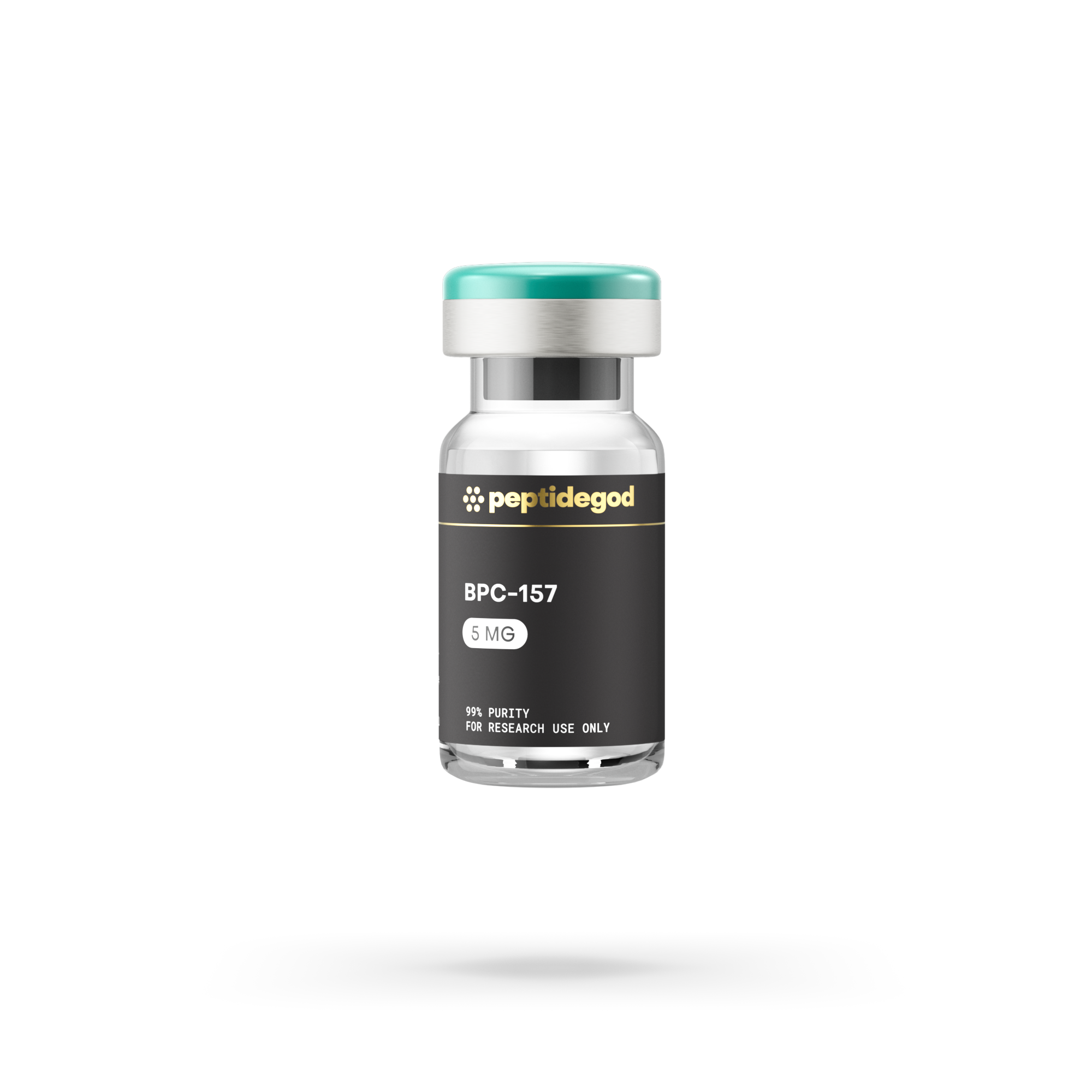
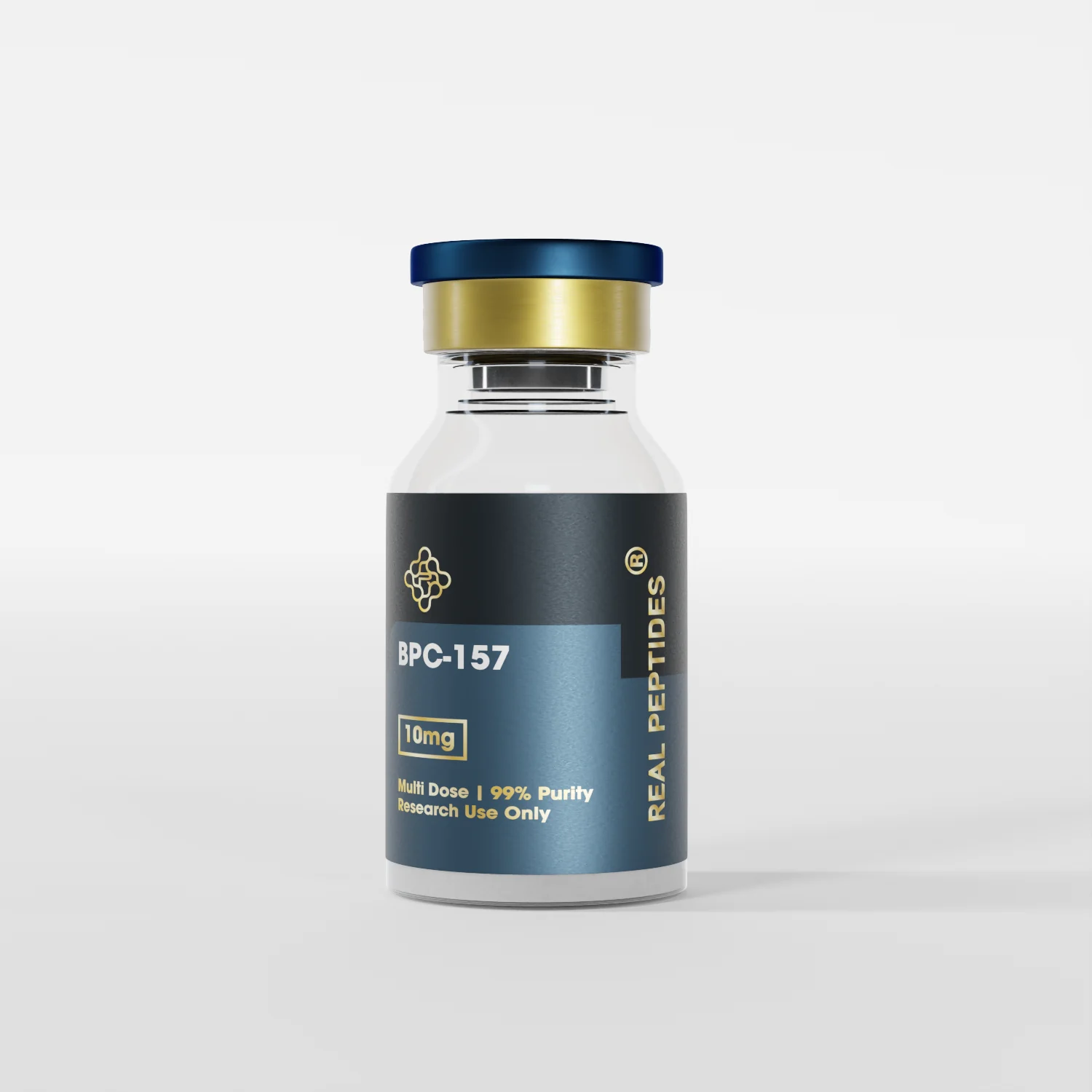
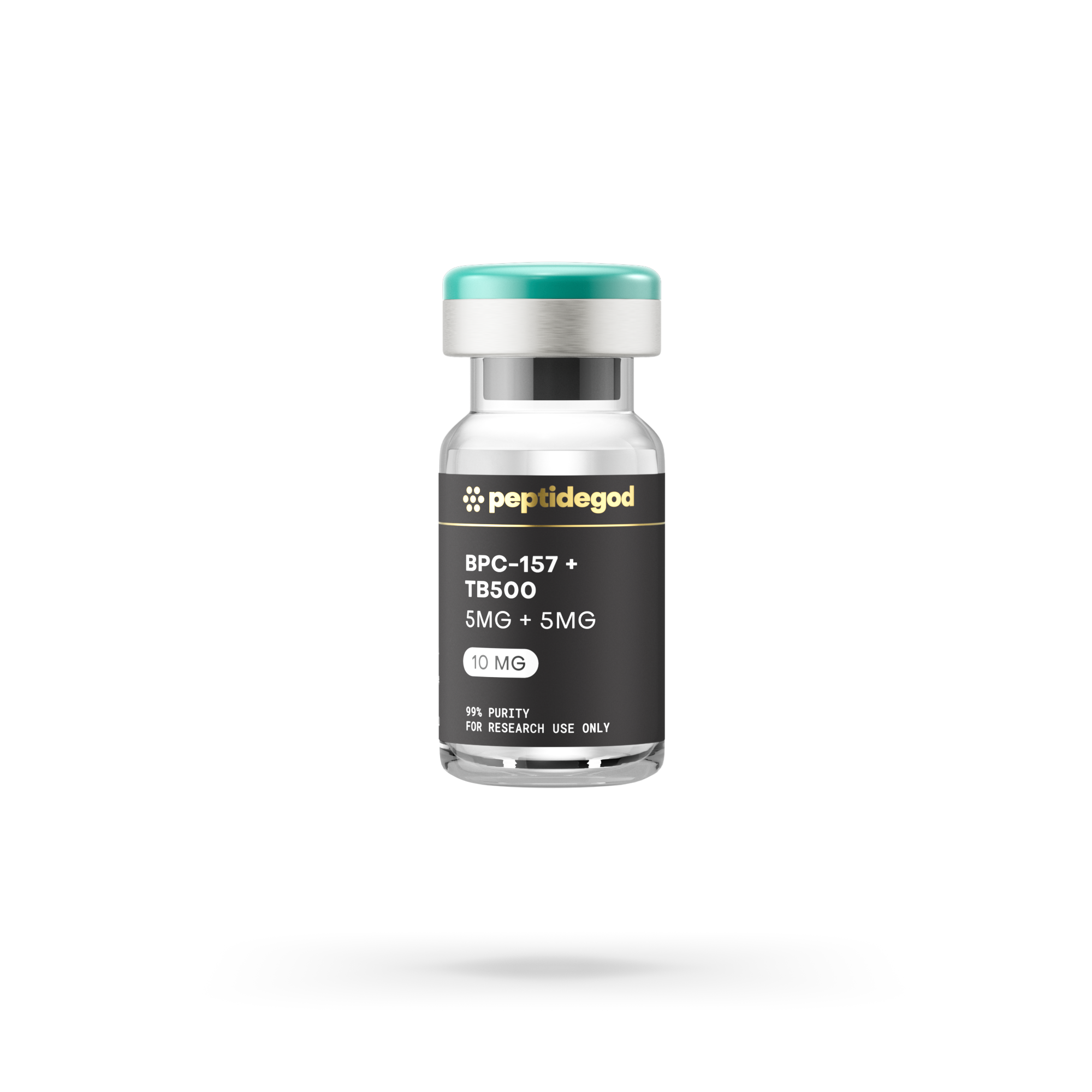
Three products containing BPC-157 available for sale online in the US have been assessed. The peptide from PeptideGod retails at a price of $34.95 per vial without a freely available certificate of analysis. The other vendor Real Peptides offers the same product at $43.20, which also includes analyses of HPLC and endotoxin for a specific batch. PeptideGod also sells its BPC-157 and TB-500 combo for $59.95. Our detailed comparisons can be found via the PeptideGod vs Real Peptides link, while PeptideGod BPC-157, Real Peptides BPC-157, and PeptideGod BPC-157 + TB-500 links will lead you to separate reviews about each product. If you want to compare the prices, the BPC-157 for sale page contains information about prices and vendor verification.
Before You Start - Talk to a Professional
Nothing found on this site should be construed as medical advice. BPC-157 is a research peptide that is unregulated and with no declared FDA use. Should you consider using BPC-157, please discuss your options with your healthcare provider, especially if you take prescription medications, have had a history of cancer, or have heart disease. The possible interaction with prescription drugs is not based on human studies and the possible effect of angiogenesis-related cancer concern is still unclear. Special care for certain groups listed in our contraindications page manual is advised.
What we look at
Third-party testing
We look for a batch-level certificate of analysis published by the merchant.
Stated purity and fill
Purity percentage and milligrams per vial as stated on the product page.
Labeling and storage info
Clear research-use labeling, lot numbers and storage instructions.
Cost per milligram
Vials compared on price per milligram, not on sticker price.
From the blog

BPC-157 Headache, Nausea and Fatigue Explained
BPC-157 headache, nausea and fatigue reports examined. What might cause them, how often they appear and what helps.

BPC-157 and Anxiety: Can It Help or Harm?
Does BPC-157 help or worsen anxiety? We examine the dopaminergic research, animal behavior studies and community reports.

BPC-157 and Blood Pressure: What Research Shows
Does BPC-157 affect blood pressure? We review the nitric oxide pathway research, what animal models suggest and what remains unstudied in humans.
FAQ - BPC-157 Side Effects
What are the most common side effects of BPC-157?
According to what the community has reported, the most frequent bpc 157 side effects include mild nausea (especially with oral bpc 157), redness and swelling of the area of the injection, transient headache, and occasional dizziness. There is no data available, since none of these phenomena has been investigated in a controlled human experiment, and no reliable data on incidence or prevalence exists. There is no evidence in animal research involving a variety of species and different doses. You may find other effects, with grades of evidence, including those unusual for humans (for details refer to our BPC-157 risks page).
Is BPC-157 FDA approved?
No. BPC-157 has no FDA approval for any medical use. The FDA has specifically flagged it as a bulk drug substance that may present significant safety risks when used in compounding. It is sold as a research chemical, not a drug or supplement. Our BPC-157 FDA status page covers the full regulatory timeline.
Can BPC-157 cause cancer?
This is a theoretical concern, not an observed one. BPC-157 promotes angiogenesis, the growth of new blood vessels, which is beneficial for tissue repair but could theoretically support tumor vascularization. No study in any species has documented tumor promotion or cancer development from BPC-157. However, no long-term cancer-specific safety study has been conducted either. People with active malignancies or a strong cancer history should discuss this mechanism with their oncologist. We cover the evidence in depth on our BPC-157 cancer risk page.
Does BPC-157 interact with prescription drugs?
BPC-157 has not been tested in any formal drug interaction studies on humans or animals, as there have been no empirical investigations. It is theorized that BPC-157 can interact with drugs that affect the same systems since they share similar mechanisms of action. Until enough reliable studies presenting the interaction data become available, it is always recommended that if anyone who is on prescription medications wants to try BPC-157, they must talk to their physician first. You can see our drug interactions page with the theoretical risks related to different drug classes.
Reviewed by our experts
Every guide and ranking on this site is checked by a named reviewer before it is published.