BPC-157 FDA Status and Clinical Safety Evidence
BPC-157 FDA status explained: current regulatory classification, clinical trial landscape and what published human studies actually show.
In late 2026, BPC-157 has received three warning letters from the FDA, there are still no approved indications for its use and just one registered clinical trial currently recruiting participants. This peptide has been the centre of attention because of its many animal studies and the increasing amount of anecdotal reports circulating. But the regulation of this peptide has also caused confusion among many people. So we have gathered information about every regulatory activity, clinical trial, and government statement made during the last two years regarding BPC-157.
BPC-157 FDA Status in 2026 - Where It Stands
Current Regulatory Classification
BPC-157 is not an FDA-approved drug, not a dietary supplement, and not a controlled substance. It sits in a gap the agency has increasingly tried to close. In 2024, the FDA moved to exclude BPC-157 from the list of bulk drug substances that compounding pharmacies could use under Sections 503A and 503B of the Federal Food, Drug, and Cosmetic Act. The stated reason: insufficient safety and characterization data.
This classification is important for two groups. Compounding pharmacies that had been making prescriptions of BPC-157 for patients have lost the ability to do so. The research chemical companies that sell lyophilized peptides labeled "for research use only" are not affected because they work outside of compounding. The difference confuses people all the time. People are always asking if BPC-157 has been "banned." It has not been banned; it has been banned from one specific method of being distributed.
For a full breakdown of known adverse events, see our BPC-157 risks page.
FDA Warning Letters and Enforcement Actions
The FDA sent out letters with warnings to at least 3 companies marketing BPC-157 items making drug claims. All letters followed a similar pattern namely pointing to marketing language that categorized BPC-157 as a treatment, cure or prevention of disease, thereby classifying the product as an unapproved new drug.
| Company | Date | Primary Violation |
|---|---|---|
| Tailor Made Compounding | April 1, 2020 | Compounding with bulk substances not on approved list; drug claims |
| Warrior Labz SARMS | June 12, 2023 | Marketing unapproved drugs with therapeutic claims |
| Gram Peptides | March 31, 2026 | Selling unapproved peptide products with health claims |
The piece of correspondence known as the Gram Peptides letter from 2026 is the latest evidence of the FDA being actively involved in enforcing their regulations. In every case, it can be observed that the triggering of the enforcement measure is not dependent on the possession or sale of the substance, but solely on the claims it makes regarding the effects on human beings. As of the present moment, those selling only research-use disclaimers have not been bothered by receiving the letter.
BPC-157 Clinical Trials - What Has Been Done
Registered Trials on ClinicalTrials.gov
Exploring the federal registry yields a sparse amount of results. The most important listing here is NCT07437547, a study on BPC-157 for treatment of hamstring injuries. Also, there is also NCT02637284 which is a Phase I clinical safety study that was registered a while back but has made no moves in recruitment and seems to have been cancelled.
I have looked at these listings many times in the past year. The hamstring study is the only one that appears to have an actual design that may yield human safety data in a controlled environment. Everything else related to BPC-157 on ClinicalTrials.gov is either withdrawn or not involved with recruiting, or in the preclinical stage.
Study Designs and Outcomes
Most of the available research on BPC-157 has so far relied heavily on studies done on rats. According to an article on 2024 literature review, published scientific literature shows that most of the research has indeed been preclinical. Various animal models have been used for testing BPC-157 in tendon and ligament injuries, muscle injuries, problems of the gut, etc. While the results of these studies seem to be rather positive, transfer from rats to people cannot be made without proper human trials.
One pilot study has provided early human safety data. Published in 2025, this safety-focused investigation found no serious adverse events in its small participant group, but the sample size limits what conclusions can be drawn.
Why Most Trials Use Animal Models
The difference can be attributed to the cost, regulation workload, and orphan status of the drug. No pharma company owns a patent on BPC-157 that would allow it to spend tens of millions on the conduct of Phase II and Phase III clinical trials. Without the financial motivation, the development process comes to a halt at the preclinical stage. Academics have the opportunity of carrying out studies on rats with the help of small grants. In order to proceed with human testing, one needs to submit an Investigational New Drug application and get approval from an Institutional Review Board, obtain liability insurance, and pursue aftercare for a number of years after the conclusion of the trial.
BPC-157 Human Studies - The Evidence So Far
Published Case Reports
There is some patient information available, primarily in the form of clinical descriptions from integrative medicine providers. These reports do not meet the criteria of controlled studies. They discuss single cases without randomization or controls. We refer to them only to show that human data exists outside of clinical trials and not claim efficacy.
Observational Data
Data from forums, surveys, and practitioner records provided by members of the community suggests that most people tolerate BPC-157 without serious complications. Results from the pilot safety study previously discussed are consistent with this. However, it should be noted that observational data does not establish causation or rule out rare side effects. An example of this possible limitation of observational approaches is the hypothetical case of a compound with a serious adverse reaction rate of 1 in 1,000.
For a broader look at what users have reported, our BPC-157 side effects overview compiles every documented reaction.
Limitations of the Available Human Evidence
Three problems stand out. First, no Phase II or Phase III trial has been completed. Second, the existing pilot study had a small enrollment, limiting statistical power. Third, long-term exposure data in humans does not exist in the published literature. The pharmacokinetic data available comes from animal models, so we do not have confirmed human half-life, bioavailability, or metabolic pathway data from controlled research.
Those who say BPC-157 is "proven safe" in humans are going beyond the evidence. Those who say it is "dangerous" are also going beyond the evidence. The truth is that we do not have enough evidence from controlled studies involving human beings to take a standpoint on either.
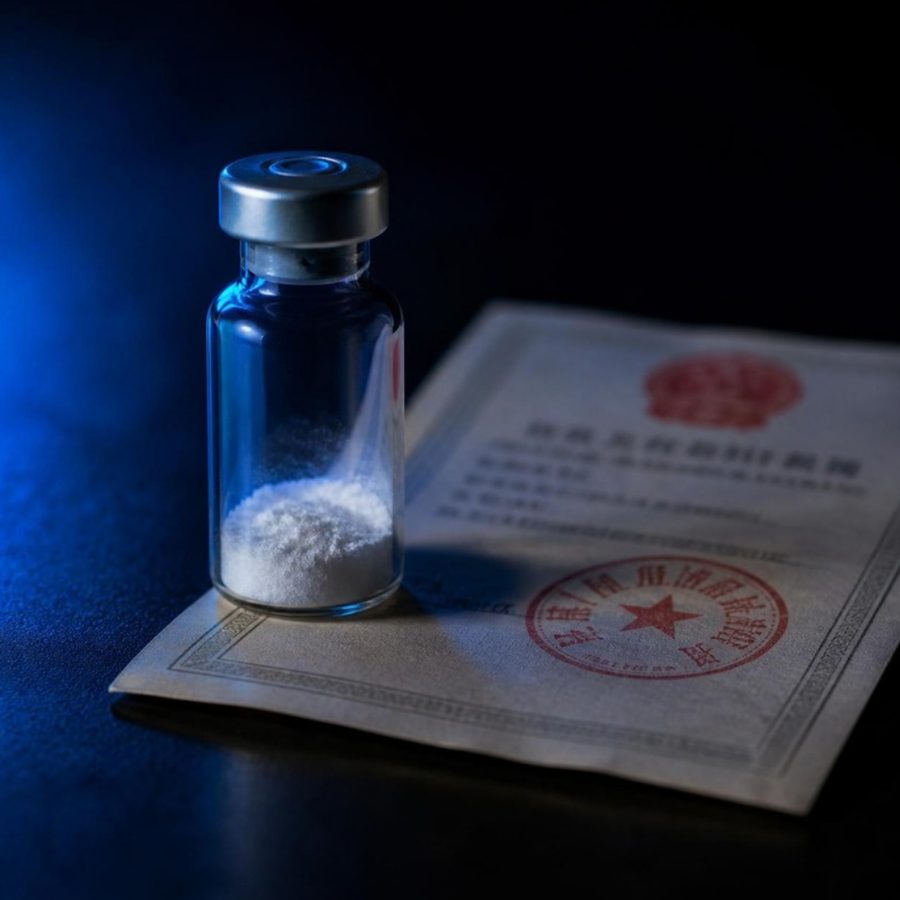
Regulatory Landscape Outside the US
European Medicines Agency Position
The European Medicines Agency has not yet announced particular instructions on the use of BPC-157. This medicine is not registered as a medicine in the European countries. The classification of peptides may vary between different countries but currently none of the countries uses BPC-157 as a medicine. So European customers get this peptide using the same companies that provide it to the clients in the US.
Status in Other Countries
Australia has the toughest major market. TGA classifies a majority of peptides as Schedule 4 prescription-only substances and there are strict laws regarding importation of BPC-157 without permission. Like in the USA, Canada does not have laws regarding approval and scheduling and research chemical trade is free and open. BPC-157 is prohibited by World Anti-Doping Agency as it is classified as S0 (unapproved substance).
What FDA Classification Means for Buyers
Research-Use-Only Products
Each BPC-157 bottle that is sold in the United States by peptide vendors features the label "research use only" or "not for human consumption". This is not merely a technicality. It represents the legal framework around which the sale is allowed to occur. The vendor is selling a chemical substance for laboratory research purposes, and what the buyer decides to do afterwards is not the vendor's concern from a legal point of view. To date, there is no recorded instance of an individual buyer having faced legal implications for buying or owning BPC-157 in the United States.
The Line Between Supplement and Drug
BPC-157 does not constitute a dietary supplement. According to the Federal Drug Administration, dietary supplement is a product, that contains vitamins, minerals, herbs, amino acids, or any other dietary component, and is used for the purposes of ingestion. BPC-157 does not belong to any of the categories named above. It is a synthetic pentadecapeptide that stems from a human protein. That is why it cannot be sold as a supplement, and any product that contains BPC-157 is legally misbranded.
The real-world impact is that the consumers lack any extra level of protection when they purchase. There are no GMP certifications, no ability to report any adverse events and no way to check label accuracy. So we always suggest that our clients do their own due diligence by checking all independent test results and evaluating safety documentation prior to making their purchases from a particular brand. Information about how to evaluate brands is contained in our brand comparison page.
FAQ - BPC-157 FDA and Clinical Data
Is BPC-157 FDA approved?
No. The drug BPC-157 has not been approved by the FDA for any indication whatsoever. BPC-157 is neither an approved drug nor a complicate agent and has not yet attained official recognition as a dietary supplement. The FDA has been continuously and actively putting restrictions on BPC-157 from pharmacy compounding since the year 2024.
Are there any human clinical trials for BPC-157?
1 trial for hamstring injury repair (NCT07437547) is in progress and collecting participants. A Phase I safety trial (NCT02637284) was registered but seems to have been canceled. One small pilot study on safety has been published. There have been no phase II or phase III trials conducted yet.
Can doctors prescribe BPC-157?
In the United States, physicians may, in theory, prescribe any medication for off-label application. On the other hand, there are no longer any legal provisions for compounding pharmacies to compound BPC-157 according to FDA regulations. As a result, the prescription option is virtually non-existent for most physicians.Some holistic medicine practitioners are still able to obtain BPC-157 by other means, however, it is still illegal. Refer to our contraindications page for instances where BPC-157 should not be used.
What did the FDA say about BPC-157?
According to the FDA, the use of BPC-157 in compounding is associated with "significant safety issues" because of insufficient characterization and safety information. This statement has been noted in their guidance for bulk drug substances. The FDA has issued warning letters to companies claiming to market products containing BPC-157 stating its safety, many of which were sent in 2020, 2023, and 2026. For a better understanding of the safety aspect of this substance, please take a look at our BPC-157 vs steroids comparison and our guide to reducing side effects.
Compare the current picks
Prices, sizes and ratings side by side, updated when the merchant pages change.
See top picks