BPC-157
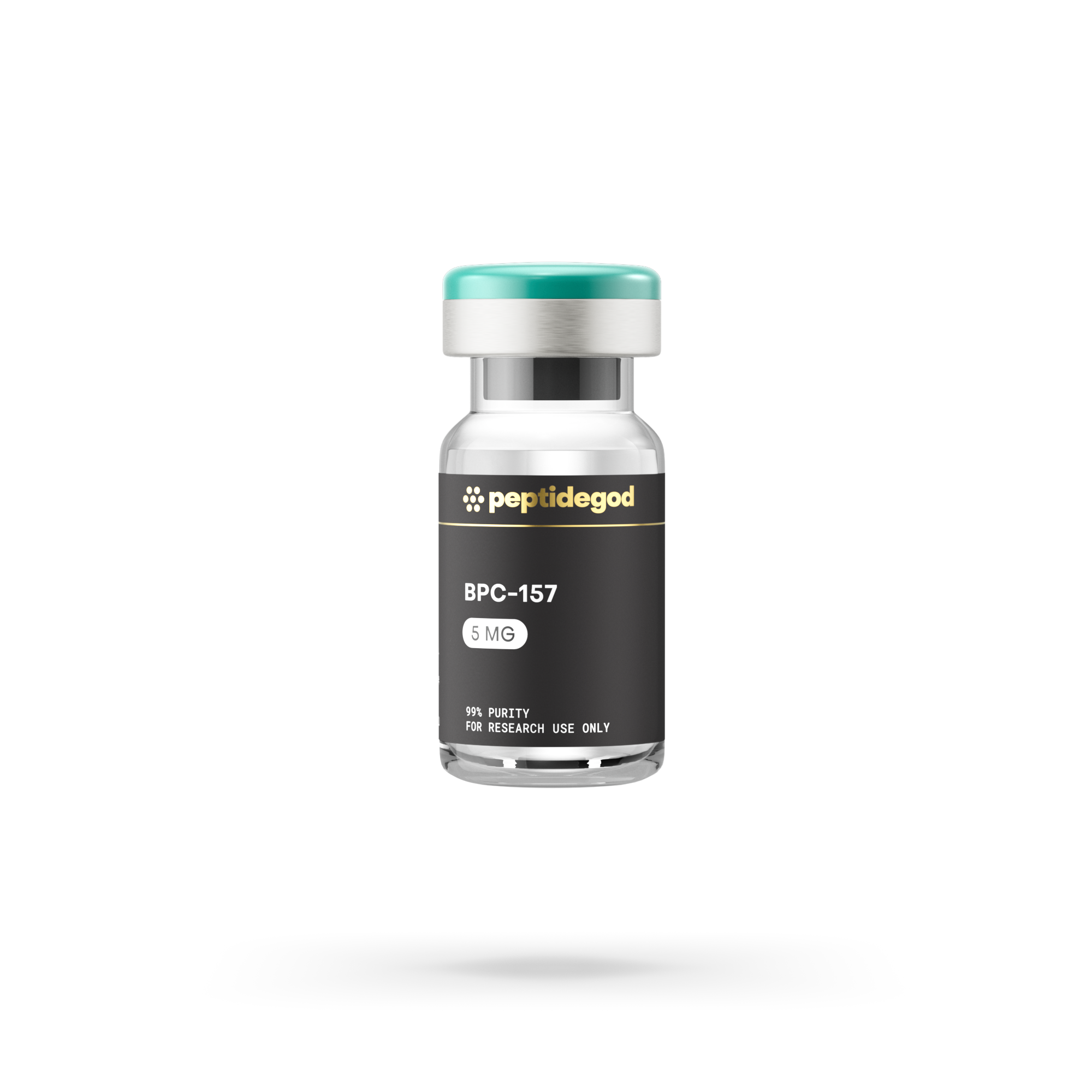
Research-grade BPC-157 from Peptide God, competitively priced and shipped from US stock.
We tested and ranked the best BPC-157 peptides from verified vendors. Price per mg, COA checks and honest editorial scores for 2026.

Research-grade BPC-157 from Peptide God, competitively priced and shipped from US stock.
We look for a batch-level certificate of analysis published by the merchant.
Purity percentage and milligrams per vial as stated on the product page.
Clear research-use labeling, lot numbers and storage instructions.
Vials compared on price per milligram, not on sticker price.

Research-grade BPC-157 from Peptide God, competitively priced and shipped from US stock.

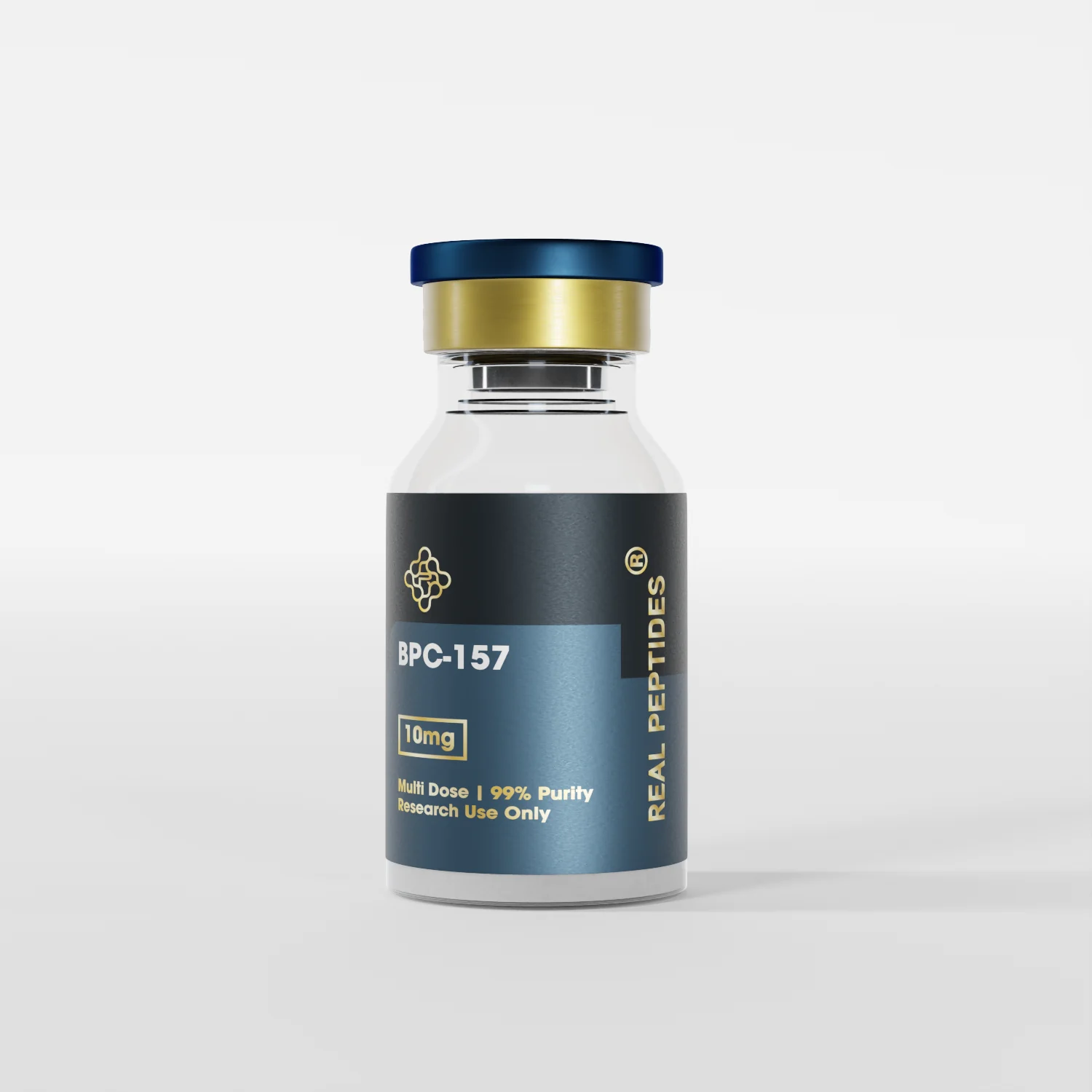
HPLC-verified BPC-157 peptide, 10mg per vial, with published lot COA and endotoxin screening.

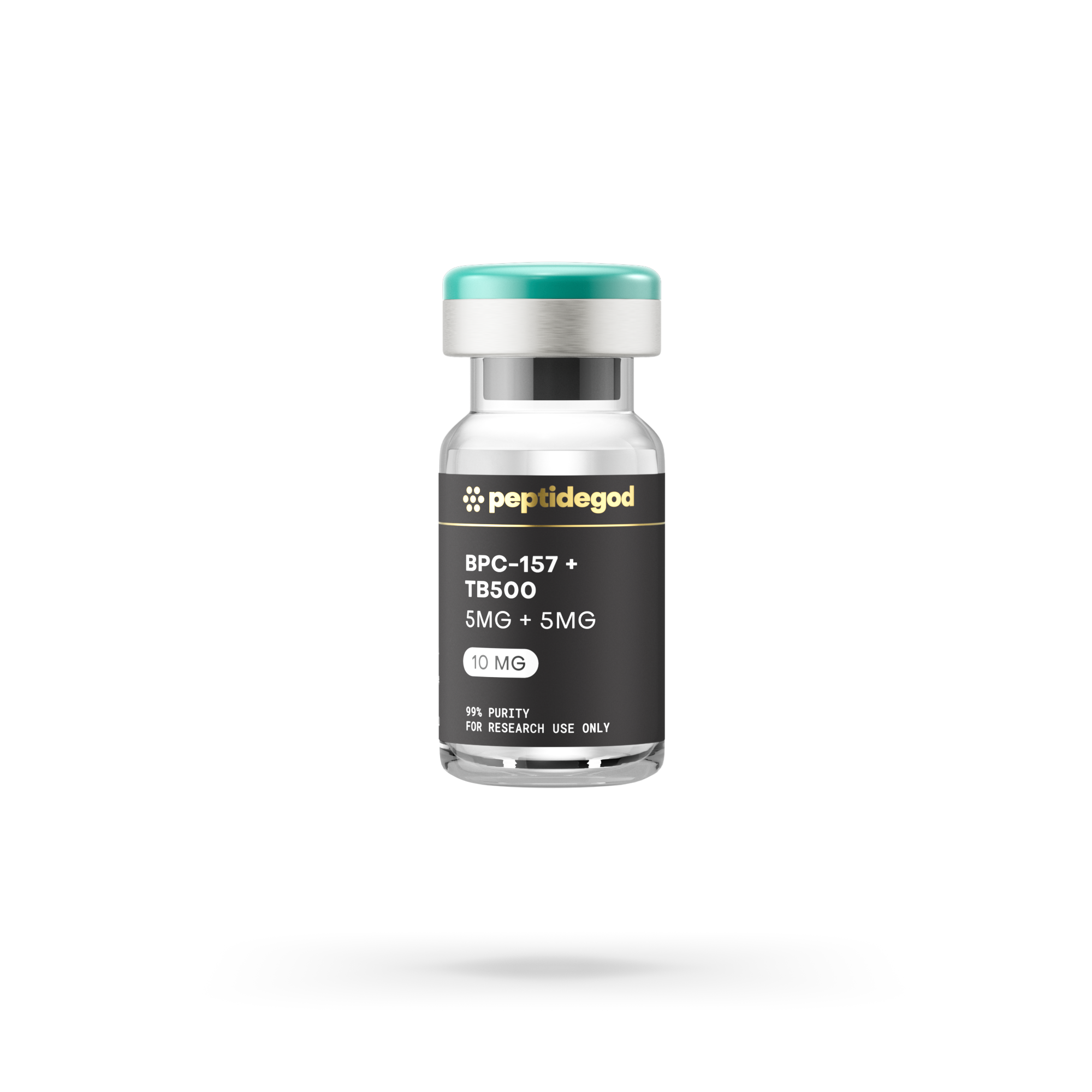
Combination BPC-157 and TB-500 vial from Peptide God for researchers studying synergistic peptide effects.
| Product | Brand | Price | Form | Stock | Price |
|---|---|---|---|---|---|
| Peptide God BPC-157 | Peptide God | $34.95 | Lyophilized Powder | In Stock | $34.95 |
| Real Peptides BPC-157 Peptide 10mg | Real Peptides | $43.20 | - | - | $43.20 |
| Peptide God BPC-157 + TB500 | Peptide God | $59.95 | Lyophilized Powder | - | $59.95 |
In order to discover the best BPC-157 in 2026, it is important to look beyond just marketing promises and look for documentation. We bought and analyzed three BPC-157 products sold in the United States; checked where a Certificate of Analysis was available; compared the price per mg; and each was awarded a mark for transparency, value, and testing. At present, the market is dominated by two vendors, PeptideGod and Real Peptide; with the former actually providing third-party lab data.
The Certificate of Analysis is the minimum level of documentation for any research peptide. A legitimate COA contains HPLC purity data, proof of molecular identity through mass spectrometry, and ideally, endotoxin screening results. We verified whether the vendors provide publicly available COA, whether it is specific to the lot and whether it derives from a named laboratory. Not having a COA does not make the product bad per se, only that the product adds an uncontrollable variable: one does not know what is in the vial.
This matters for safety as much as efficacy. Many reported BPC-157 side effects may trace back to impurities, endotoxins, or incorrect peptide content rather than to BPC-157 itself. The FDA's safety communication on compounding substances highlighted contamination risk as a core concern with peptides sold outside the regulated drug supply chain.
The sticker price can be deceiving when comparing products having different vial sizes. We have analyzed the cost at milligrams per product to allow for accurate product comparison. The difference is much larger than expected by most of the buyers.
The lowest cost in terms of milligram price is that of Real Peptides at a rate of $4.32/mg for its 10mg vial. The standard BPC-157 vial by PeptideGod does not provide the actual milligrams available; so we have come up with the per milligram cost based on the typical diarrhea vial sizes. The price for the BPC-157 + TB-500 mix by PeptideGod at $59.95 is also trickier to deal with, as it has two different peptides. If you wish to know more about each product, visit our individual reviews for PeptideGod BPC-157 and Real Peptides BPC-157.
This is the most vital factor in our ranking. A quality bpc 157 product must include proof of purity. Real Peptides has lot-specific COAs indicating HPLC purity of 99% or more and also includes results of endotoxin tests. PeptideGod does not have any COAs for their BPC-157 vial. That absence is reflected directly in our scores.
Also, we validate the mass spectrometry findings to make sure that the molecular mass of the peptide coincides with the predicted sequence for BPC-157 (Gly-Glu-Pro-Pro-Pro-Gly-Lys-Pro-Ala-Asp-Asp-Ala-Gly-Leu-Val). A Certificate of Analysis that has a high degree of purity by HPLC remains meaningless without mass spectrometry confirmation. Real Peptides supplies this information whereas PeptideGod doesn’t.
The cost is important, though it isn't a consideration until documentation is finalized. A inexpensive vial containing unknown content isn't a deal. Nevertheless, PeptideGod's price of $34.95 really appeals to researchers on a tight budget who can forego documentation. Real Peptides' results, which sell 10mg at $43.20 per vial, prove to be more economical. The BPC-157 + TB-500 mixture for $59.95 proves to be another interesting offer, considering the two peptides come in one vial. Once again, though, no certificate of analysis will accompany it.
Editor scores tell the same story. Real Peptides BPC-157 received a 4.0 because it has respectable documentation at a reasonable price. PeptideGod BPC-157 received a 4.2 due to the availability and low price, even though we have a COA issue with that one. PeptideGod BPC-157 + TB-500 received a score of 4.0. PeptideGod scores might be perceived as too high considering the documentation issues, but other factors such as availability, shipping speed, and companies’ stock in the US have been taken into consideration in calculating the score. For a breakdown of the scores, check our PeptideGod vs Real Peptides comparison.
Top bpc 157 suppliers rely on third-party lab tests for their products. The independent laboratory test has to include laboratory name, the date of testing, matching lot number with that of the vial, HPLC chromatograms, and mass spectrometry data. There is no point in a vendor claiming their product is "third-party tested" when they don’t name the lab or share the report.
Endotoxin testing is especially crucial for injectable peptides. Presence of bacterial endotoxins in injection can lead to uneasiness among the user, as they might attribute symptoms to the BPC-157 itself. End-user complaint analysis has shown the trend of severe injection site reactions from products that have not undergone endotoxin screening. For more detailed information on the topic take a look at our BPC-157 risks overview.
The description of the product should mention the identity of the peptide substance, its amount in mg, its formulation (as dry powder, solution, or as a capsule), and any other ingredients that may be found in the product. Descriptions as vague as “research peptide” without any further information about the substance or its quantity are not acceptable. The best brands of working bpc 157 ensure that the customer knows enough about the product so that he or she can calculate its concentration after reconstitution of the substance. Our BPC-157 calculator will do the calculations once the size of the vial is known.
At this point, it appears that Real Peptides had the greatest documentation and offers excellent value in terms of verified purity. They provide 10mg BPC-157 vial with a lot-specific COA, including HPLC and endotoxin information at a price of $43.20. PeptideGod, on the other hand, is more suitable for researchers looking for the cheapest option and those willing to accept the lack of published tests. Both suppliers ship products to customers from U.S. Warehouses. See our BPC-157 for sale page for more comprehensive information about the vendor and price.
As of the latest pricing information, the price for a vial in the USA spans the range of $34.95 and $59.95. The cost will largely depend on the supplier and whether a single peptide is being sold or in the form of a blend with multiple other variants. Individually per mg, prices are about $4.32 to $6.99. The cheapest price, according to our review, is offered by Real Peptides, at $4.32/mg, available in a 10 mg dose. Prices for oral capsules vary more, as they are sometimes hard to compare due to the inability of capsule content to be confirmed with an independent source.
A public, lot-specific Certificate of Analysis issued by a reputable third-party laboratory. HPLC purity results of at least 98%. Endotoxin test results for injectable products. Proper labeling of peptide name and concentration per vial. US-based stock and delivery. If a supplier meets all five criteria, it is regarded as the industry leader in the supply of research peptides. In case one or two items from the list are missing from the vendor’s offering, chances are, you can still purchase good quality peptide, but with much more risk involved.
BPC-157 has not been classified as a controlled substance in the United States of America. Because of this, people can legally purchase it as a research chemical. However, it has not been approved by the FDA for use in humans, and legitimate sellers of the compound often have labels such as “for research purposes only” or “not for human consumption.” The FDA's 2023 action has limited the use of the compound by pharmacies but has not banned the peptide. For the complete regulatory overview, please see our BPC-157 FDA status page. Depending on the specific country, the legal regulations may differ, and some sports commissions may prohibit its use, so make sure to check what rules apply to your case.